
The short answer
There is no single "best" citizenship-by-investment programme for 2027. The right choice depends on your family, your budget, how you want to invest and which countries you need to travel to. What you can compare objectively is each government's published minimum, what it covers, and how stable the programme looks for the year ahead. This guide does exactly that, using official sources only.
What changes going into 2027
Three developments matter more than any price list:
- St Kitts and Nevis has announced a wind-down of its programme. On 13 November 2026 the Prime Minister announced that the programme will be wound down on a timeline being agreed with the European Union. The government's official statement says the programme remains open and fully operational, that applications continue to be received and processed, and that a final date for receiving applications will be announced later. No closing date has been set. Existing citizens' status is unaffected.
- Nauru's reduced contribution ends on 31 December 2026. The official programme office lists US$90,000 for a principal applicant as a limited-time offer for applications received by 31 December 2026. From 1 January 2027 the standard contribution in the regulations, US$115,000, applies. This date matters if you are reading this in 2027.
- The EU's revised visa suspension mechanism is in force. Regulation (EU) 2025/2441, in force since 30 December 2025, allows the EU to suspend visa-free access for a country that runs an investor citizenship scheme without a "genuine link" requirement. This is why the Caribbean programmes are reviewing their rules. It does not change the status of people who already hold citizenship, but it is a reason to check each programme's status at the time you apply, not only its price.
Official minimums for 2027, side by side
Amounts are the lowest qualifying contribution or investment published by each government. Government, due-diligence, application and passport fees are extra and vary with family size.
| Programme | Lowest official route | Official minimum (before fees) | Who it covers | Status as of 24 Nov 2026 |
|---|---|---|---|---|
 St Kitts and Nevis | Sustainable Island State Contribution (SISC) | US$250,000 | Main applicant or family of up to 4 | Open; wind-down announced, closing date to be announced |
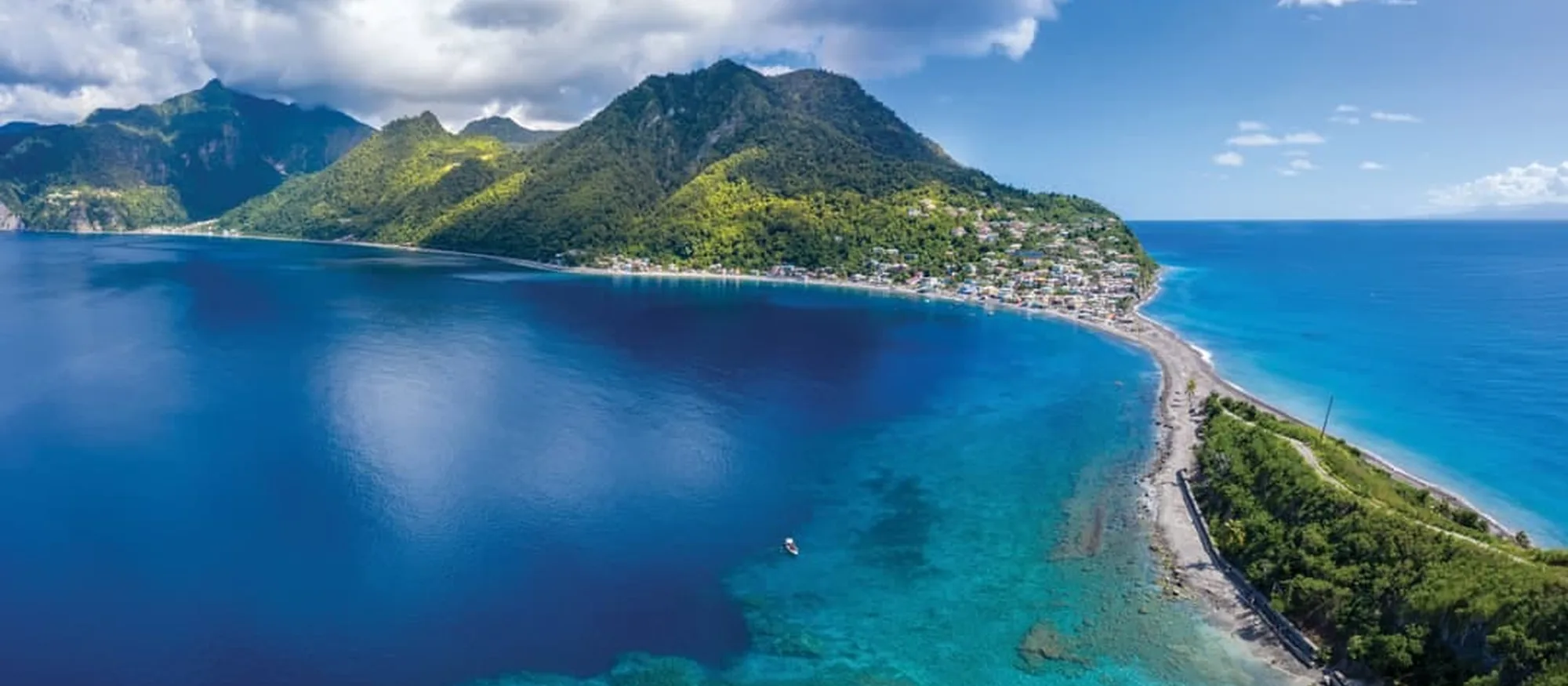
 Dominica | Economic Diversification Fund (EDF) | US$200,000 | Single applicant | Open |
 Antigua and Barbuda | National Development Fund (NDF) | US$230,000 | Application of up to 4 | Open |
 Grenada | National Transformation Fund (NTF) | US$235,000 | Single applicant or family of up to 4 | Open |
 St Lucia | National Economic Fund (NEF) | US$240,000 | Applicant and up to 3 dependants | Open |
 Türkiye | Qualifying real estate, held 3 years | US$400,000 (other routes from US$500,000) | Applicant and eligible family | Open |
| Nauru (Naoero) | Contribution to the Treasury Fund | US$115,000 from 1 Jan 2027 (US$90,000 for applications received by 31 Dec 2026) | Principal applicant; dependants extra | Open |
 São Tomé and Príncipe | National Transformation Fund | US$90,000 single; US$95,000 family of up to 4 | Single applicant, or family of up to 4 | Open |
Programme notes
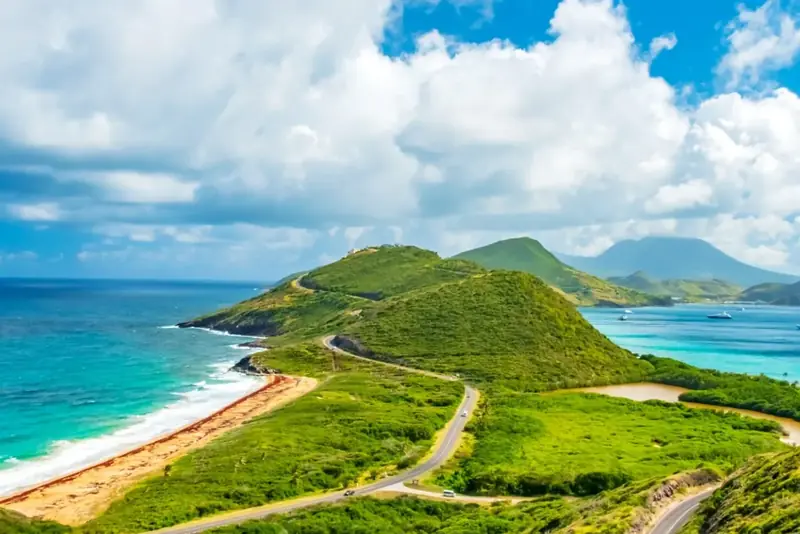

St Kitts and Nevis. Running since 1984, the oldest programme of its kind. The SISC minimum of US$250,000 covers a main applicant or a family of up to four; additional dependants cost extra, and due-diligence fees apply on top. Interviews are required for main applicants. The government has said the transition will not be accompanied by any reduction in thresholds. If you are considering St Kitts, the practical point is simple: it is open now, and the final date will come from the government, so rely only on ciu.gov.kn and official government channels for that date.
Dominica. Two official routes: a US$200,000 contribution to the Economic Diversification Fund for a single applicant, or approved real estate worth at least US$200,000 held for at least three years (with government fees on top). Costs rise with each dependant.
Antigua and Barbuda. A US$230,000 National Development Fund contribution covers an application of up to four. There is also a University of the West Indies Fund route for larger families (US$260,000 including processing fees), approved real estate from US$300,000 held for five years, and a business route. Antigua also requires at least five days in the country within the first five years after citizenship is granted.
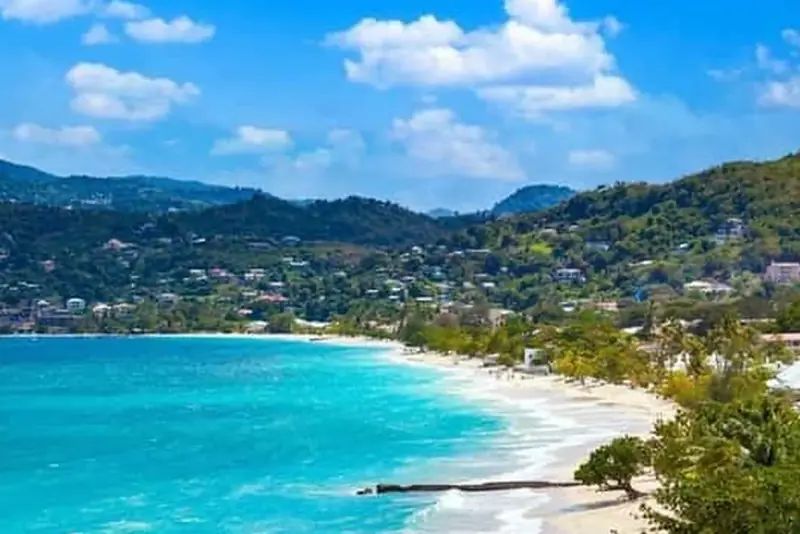
Grenada. The National Transformation Fund contribution is US$235,000 for a single applicant or a family of up to four. Real estate in an approved project starts at US$270,000 plus a US$50,000 government contribution.
St Lucia. The National Economic Fund contribution is US$240,000 for an applicant and up to three dependants. Other official routes include government bonds (from US$250,000), approved real estate (from US$300,000) and an enterprise route.
Türkiye. Citizenship through a qualifying property of at least US$400,000 with a three-year no-sale annotation on the title deed, or US$500,000 in a bank deposit, government bonds, fund shares or other approved routes, each held for three years. Since 2024 the land registry confirms the property value through an official valuation, so the price, the valuation and the bank transfer must all match. Title-deed charges and other government fees are added on top.
Nauru (Naoero). A newer Pacific programme with a single contribution route. The official programme office lists US$90,000 for a principal applicant for applications received by 31 December 2026, and the standard US$115,000 after that. Dependants aged 16 and over, siblings, application, due-diligence, bank and passport fees are charged separately. If you are reading this in 2027, use US$115,000.
São Tomé and Príncipe. Established in 2025 under the country's Citizenship by Investment Act: US$90,000 for a single applicant or US$95,000 for a family of two to four, paid to the National Transformation Fund, plus application and due-diligence fees.
If you need residency rather than a passport


Some families need the right to live in Europe more than a second passport. These are residency programmes, not citizenship:
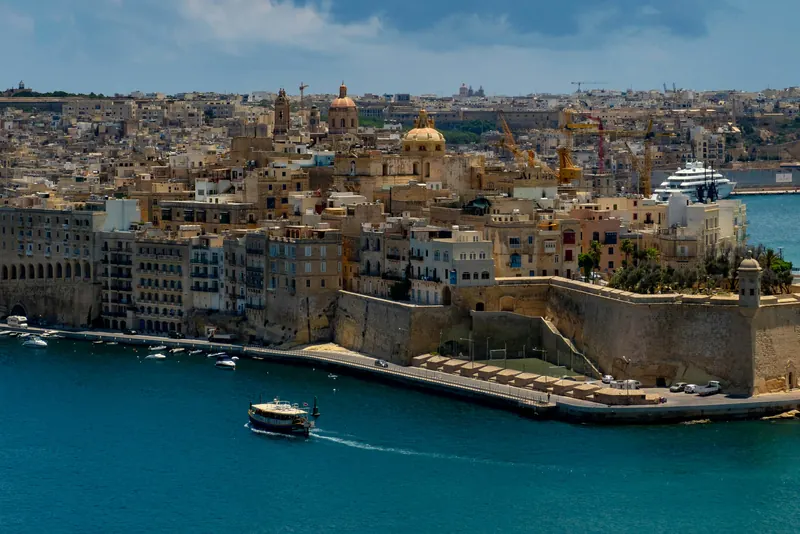
- Malta (MPRP): permanent residence from approval. The lower-cost route is to rent a qualifying property from €14,000 a year, plus a €60,000 administration fee, a €37,000 government contribution and a €2,000 donation to a Maltese NGO, along with capital and income requirements. Buying is also possible, from €375,000.
- Portugal: from €250,000 for a cultural or heritage contribution; investment funds from €500,000.
- Greece: from €250,000 for commercial-to-residential conversion or listed-building restoration; most property from €400,000, and €800,000 in the highest-demand areas.
- Cyprus: permanent residence from €300,000 in new residential property or other qualifying investments.
How to choose, in five questions
- Is the programme open to you? Every programme has its own eligibility rules and restricted lists, and they change. Check yours before comparing prices.
- Who is in your family file? Parents, adult children and siblings are treated very differently between programmes, and this often changes the real cost more than the headline figure.
- Contribution or investment? A contribution is non-refundable; real estate or bonds must be held for a set period and carry their own risks.
- Where do you actually need to travel? Compare visa-free access for your specific routes, not a global ranking.
- How stable is the programme? In 2027, check each programme's status on the official site at the time you apply.
Three things no one can promise
- Approval. Every government runs its own due diligence, and the decision is theirs alone.
- A fixed timeline. Processing depends on the government and on your file.
- Future prices or rules. Any 2027 figure can change by law or regulation, which is why every amount here links to its official source.
Treat any quote below the official minimum, or any promise of approval, as a warning sign.
Want advice on your situation?
Speak with an advisor in confidence, in Arabic or English.
Message us on WhatsApp +974 5999 2328Or by email: info@ekocitizenship.com
Frequently asked questions
What is the cheapest citizenship by investment in 2027?
By official minimums, the lowest Caribbean figure is Dominica (from US$200,000); outside the Caribbean, Nauru is US$115,000 from 1 January 2027 and São Tomé and Príncipe starts from US$90,000 for a single applicant. The cheapest headline figure is not always the cheapest for a family, because Antigua, Grenada, St Lucia and St Kitts contributions each cover up to four people.
Is St Kitts and Nevis still accepting applications?
Yes, as of 24 November 2026. The government has announced a wind-down, but its official statement says the programme remains open until a final date is announced.
Are fees included in these minimums?
No. Government, due-diligence and passport fees are extra.
Further reading
Also published on LinkedIn by Adi Hussain (24 November 2026): Citizenship by Investment: 2027 Guide, with official figures only
Official sources
- St Kitts and Nevis CIU, Sustainable Island State Contribution
- St Kitts and Nevis Citizenship Unit, Official statement: the future of the Citizenship Programme (Nov 2026)
- SKNIS (Government Information Service), Prime Minister's explanation of the CBI decision, 16 Nov 2026
- Dominica CBIU, Investment options
- Antigua and Barbuda CIU, Citizenship
- Grenada Investment Migration Agency, Update to Circular No. 2 (minimum investment threshold)
- Saint Lucia Extraordinary Gazette, 9 July 2024
- Invest in Türkiye, Acquiring property and citizenship
- Naoero Program Office, Contribution
- Republic of Nauru Government Gazette No. 32 of 2026, Economic and Climate Resilience Citizenship (Amendment) Regulations 2026
- São Tomé and Príncipe, Citizenship by Investment Act (2025)
- Residency Malta Agency, MPRP legal framework
- Portugal AIMA, Residence permit for investment
- Greece Ministry of Migration and Asylum, legislation
- Cyprus Civil Registry and Migration Department, permanent residence for investors
- Regulation (EU) 2025/2441 (visa suspension mechanism)
This guide is general information, not legal advice. Figures are the official minimums published by each government, checked on 24 November 2026, and can change.